
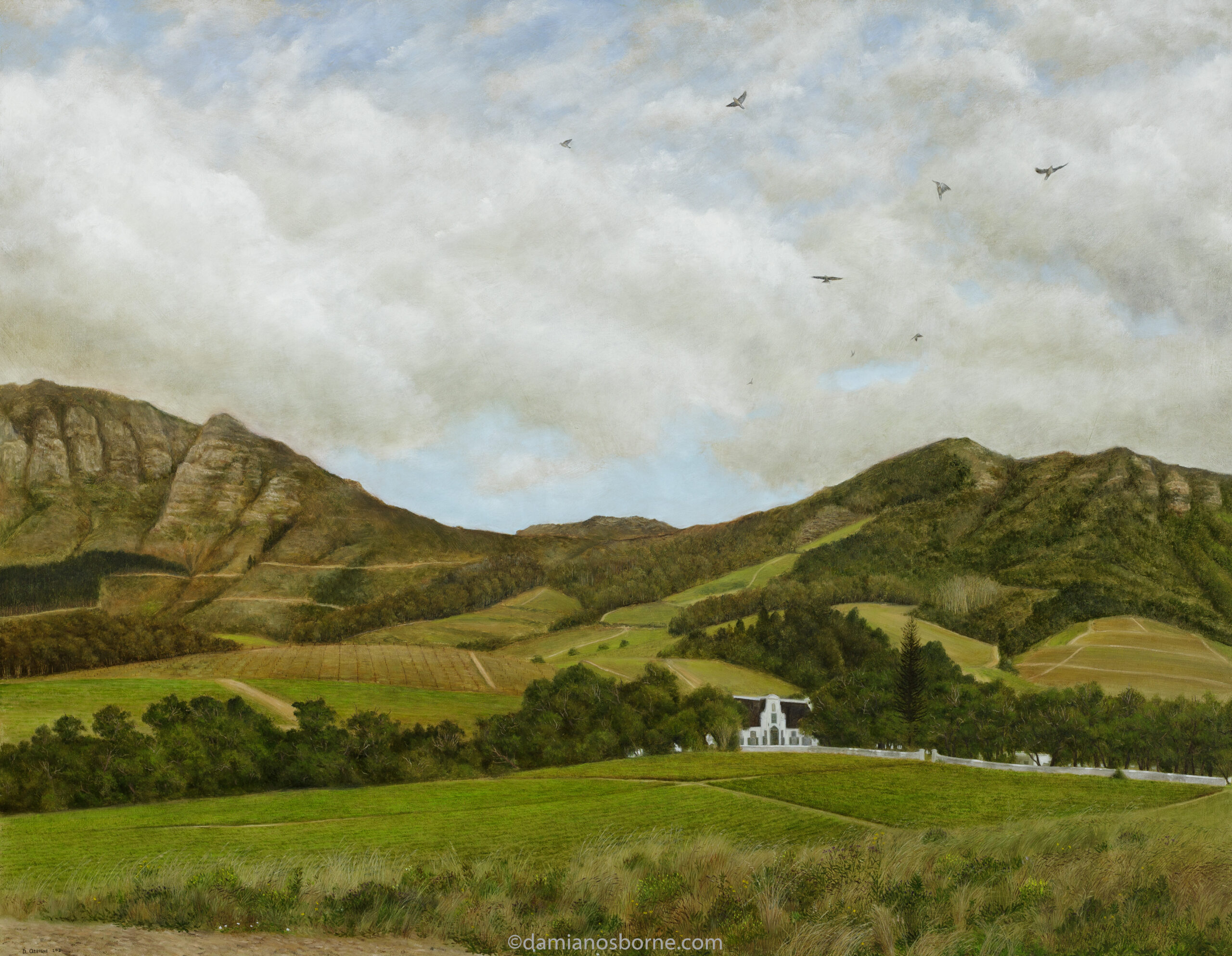
Constantia — The Changing Valley
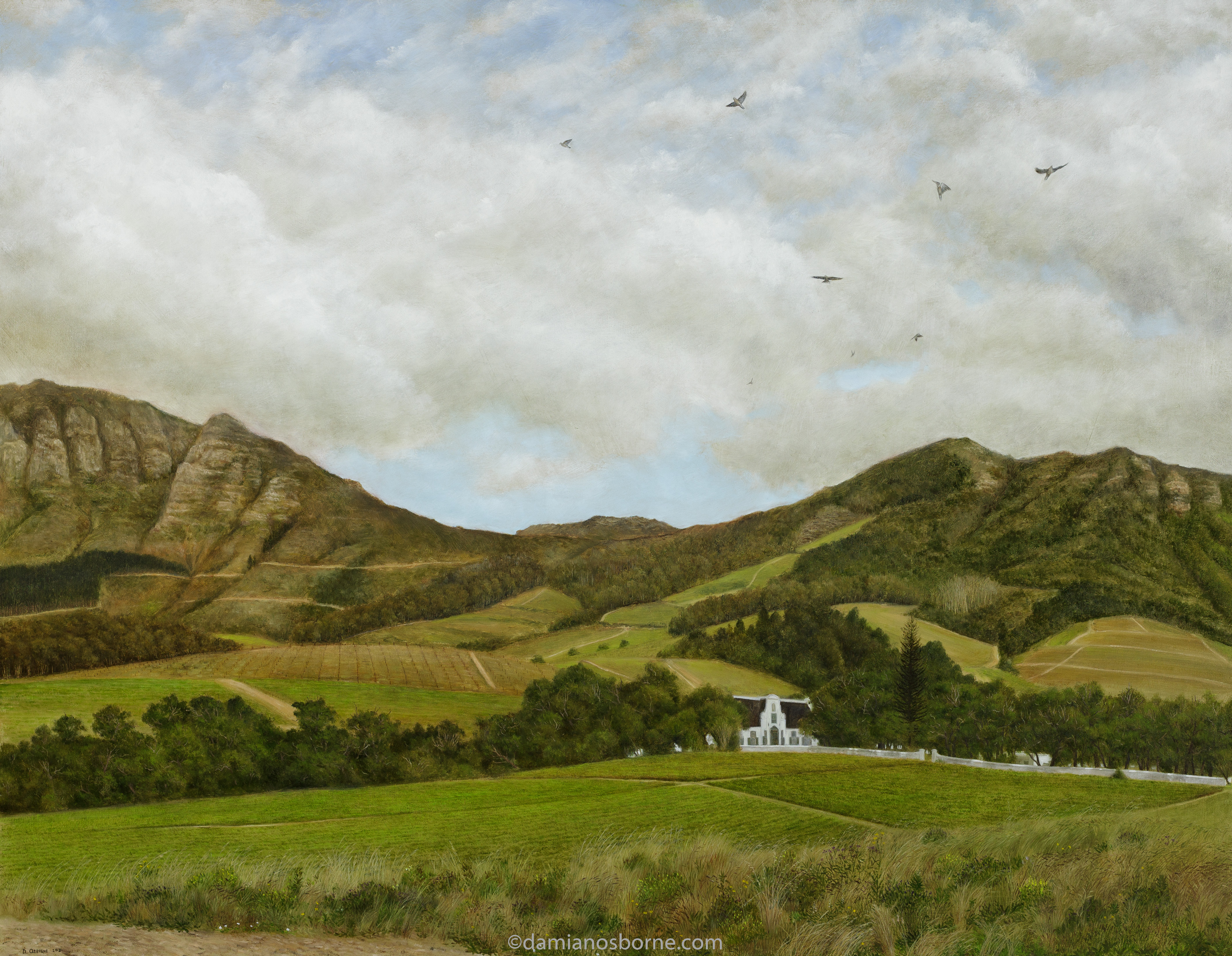
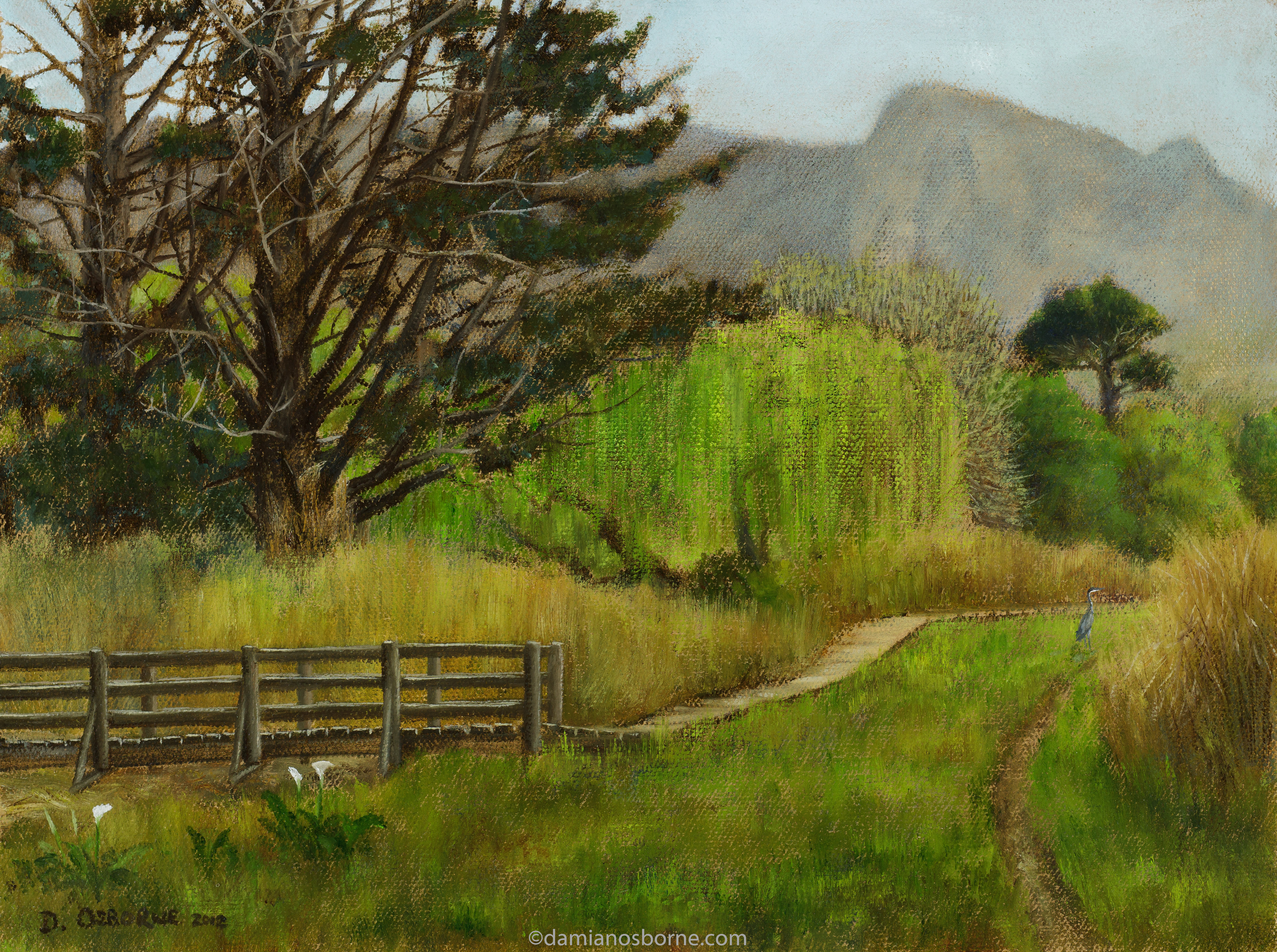
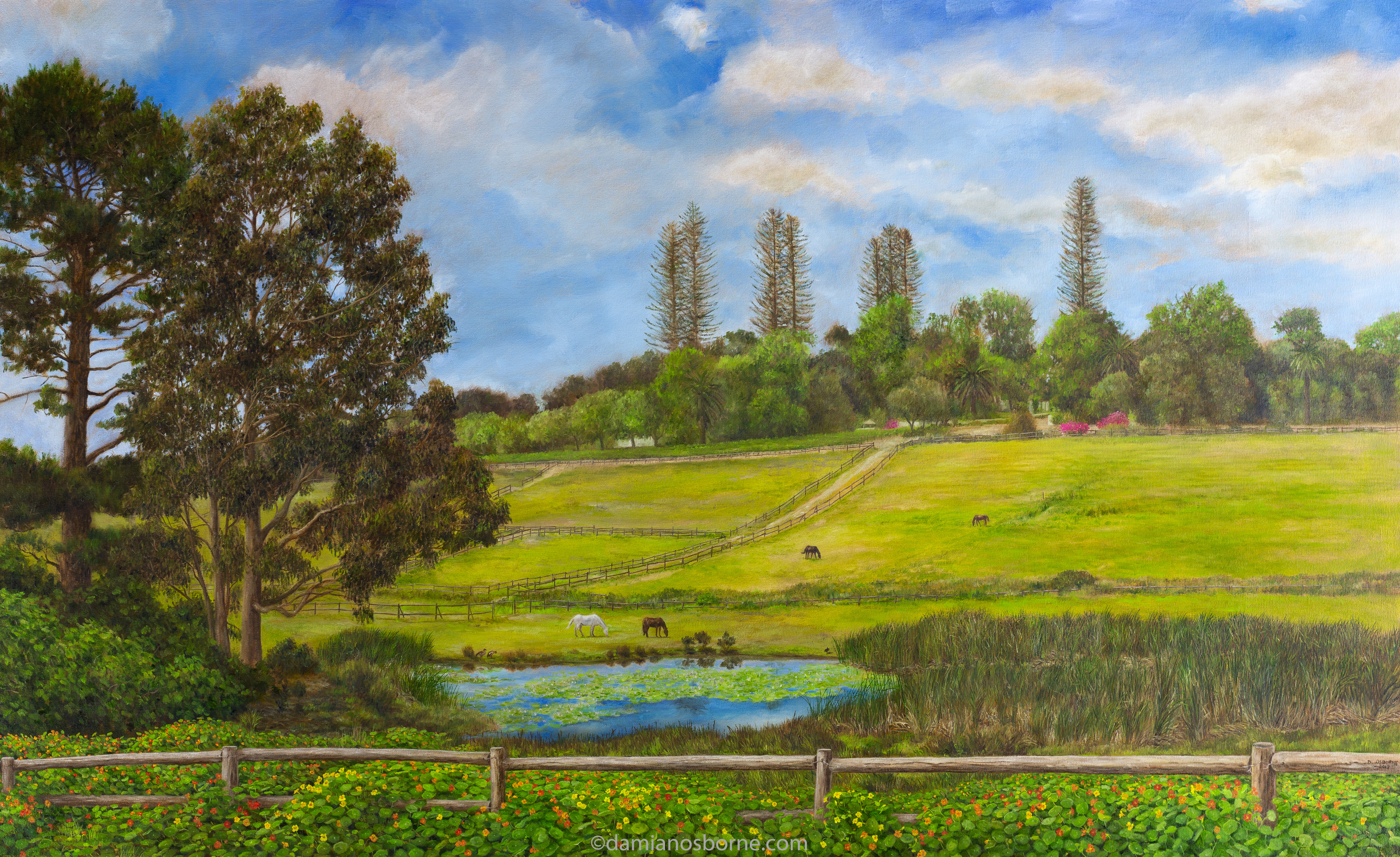
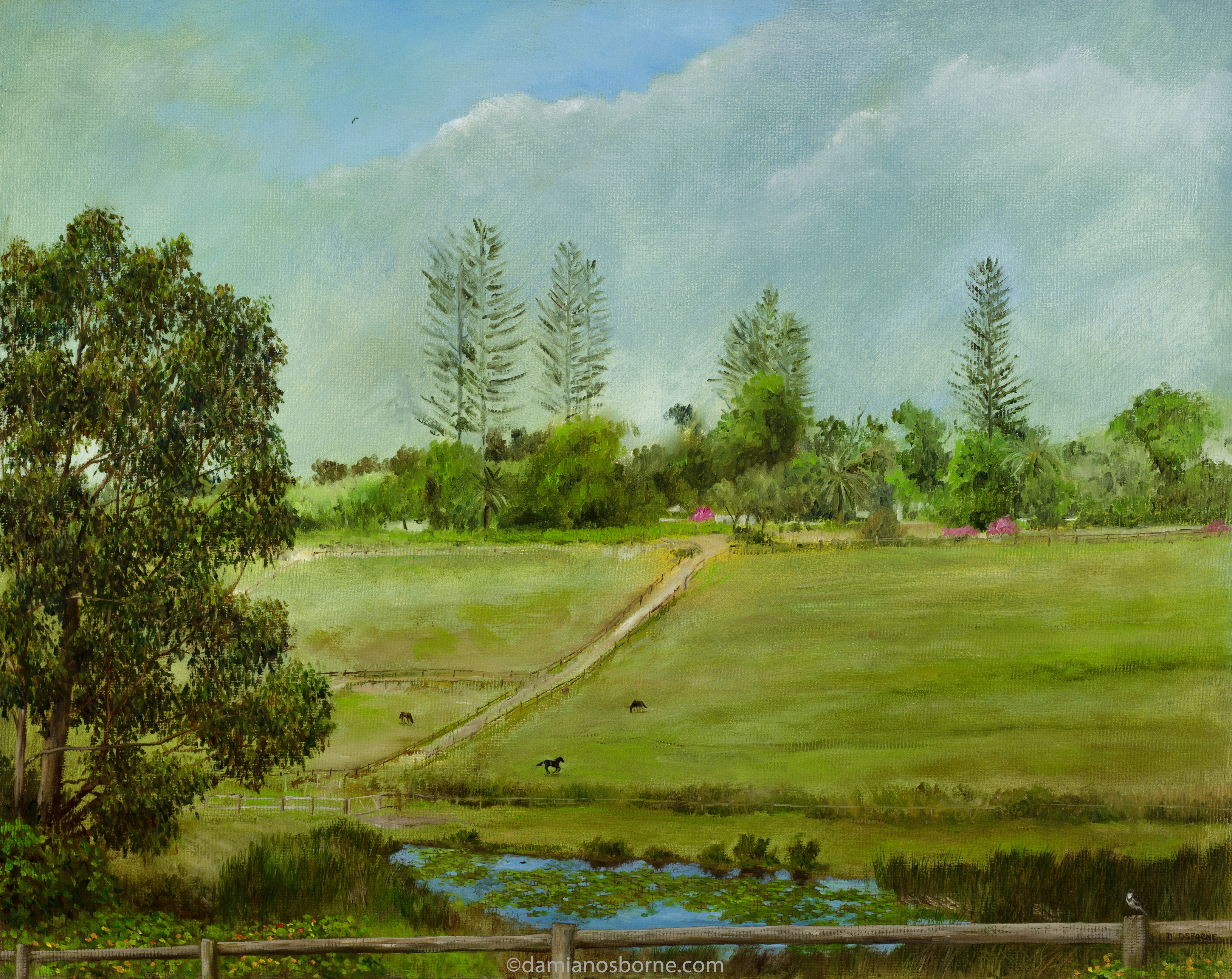
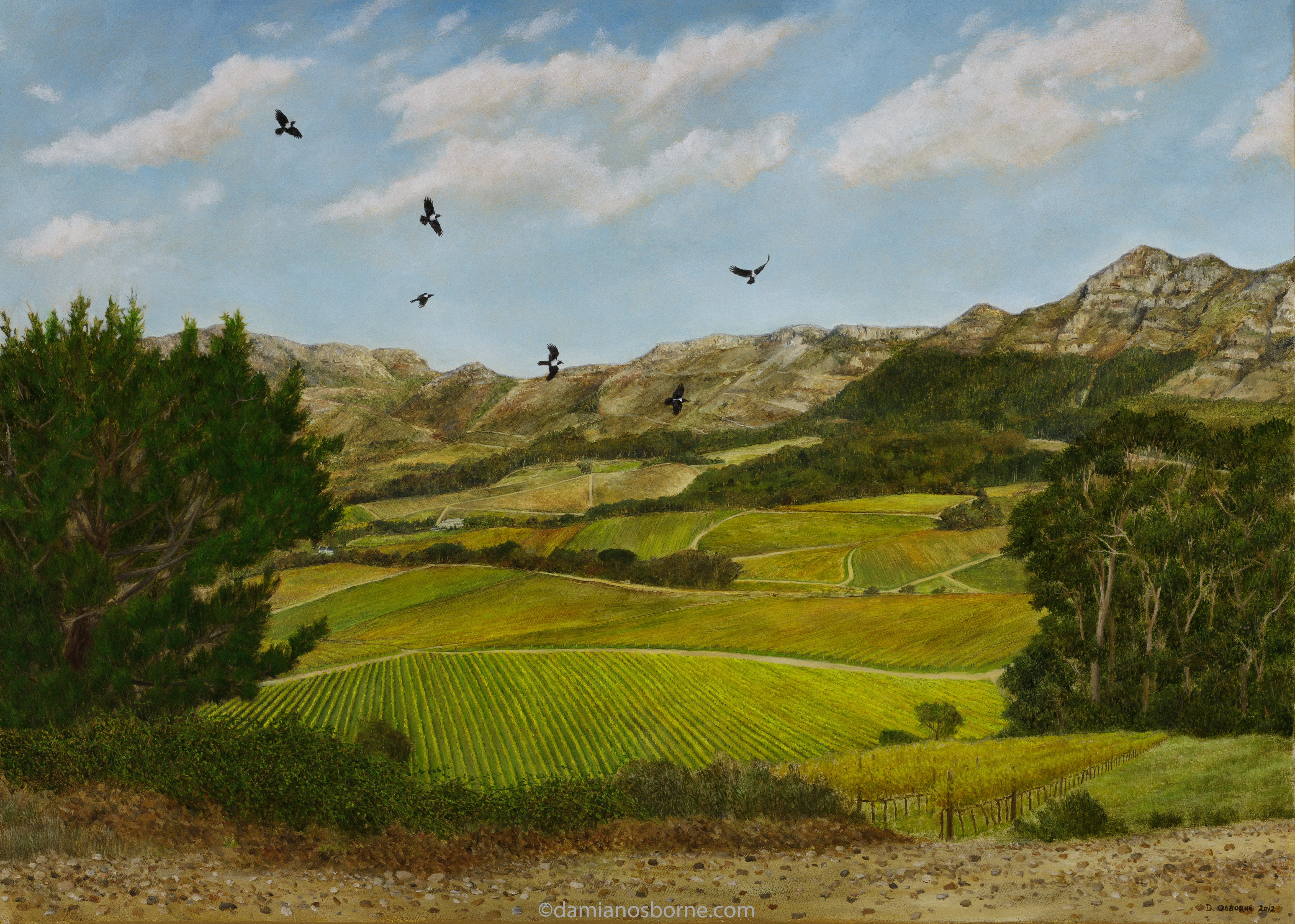
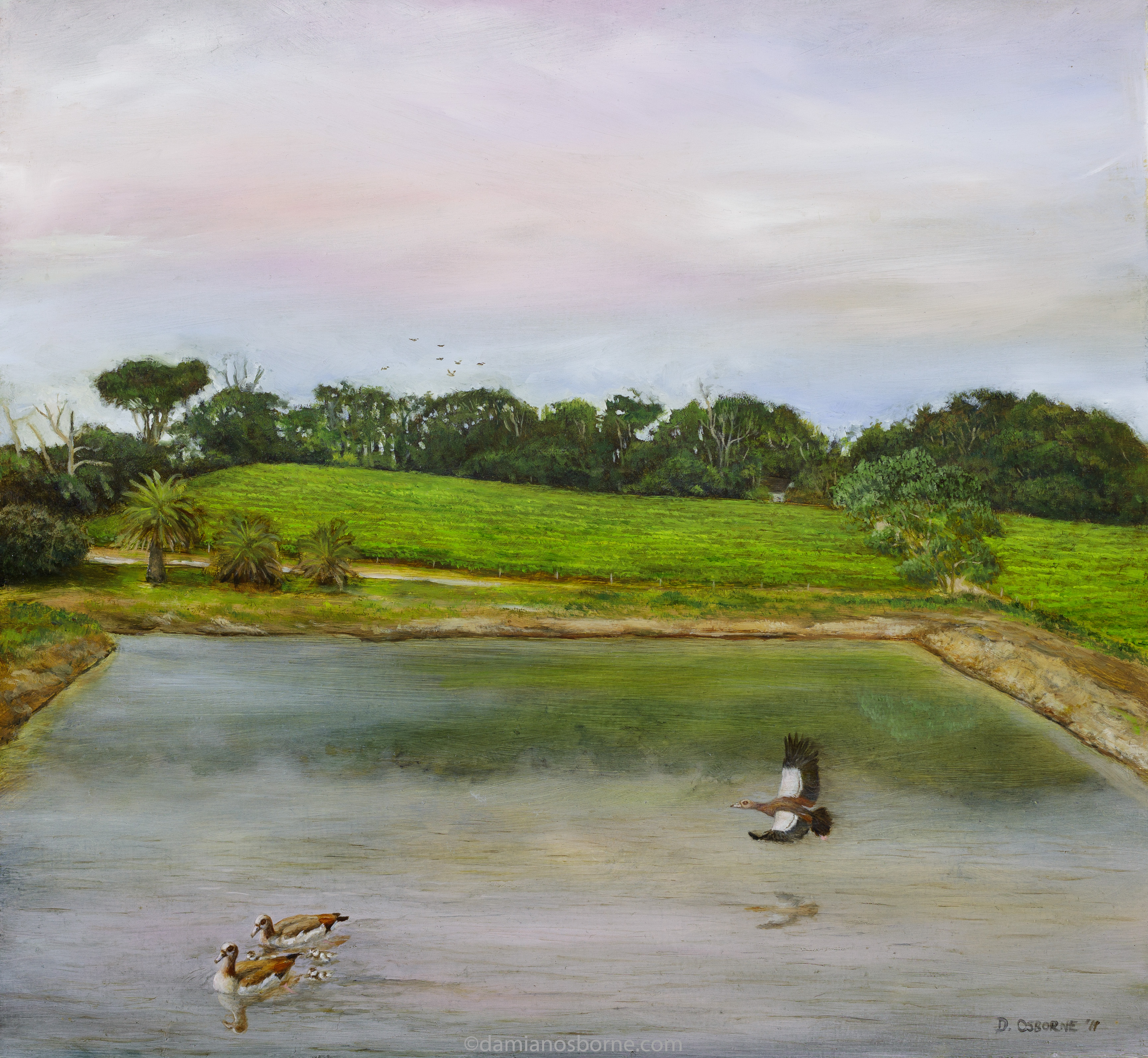
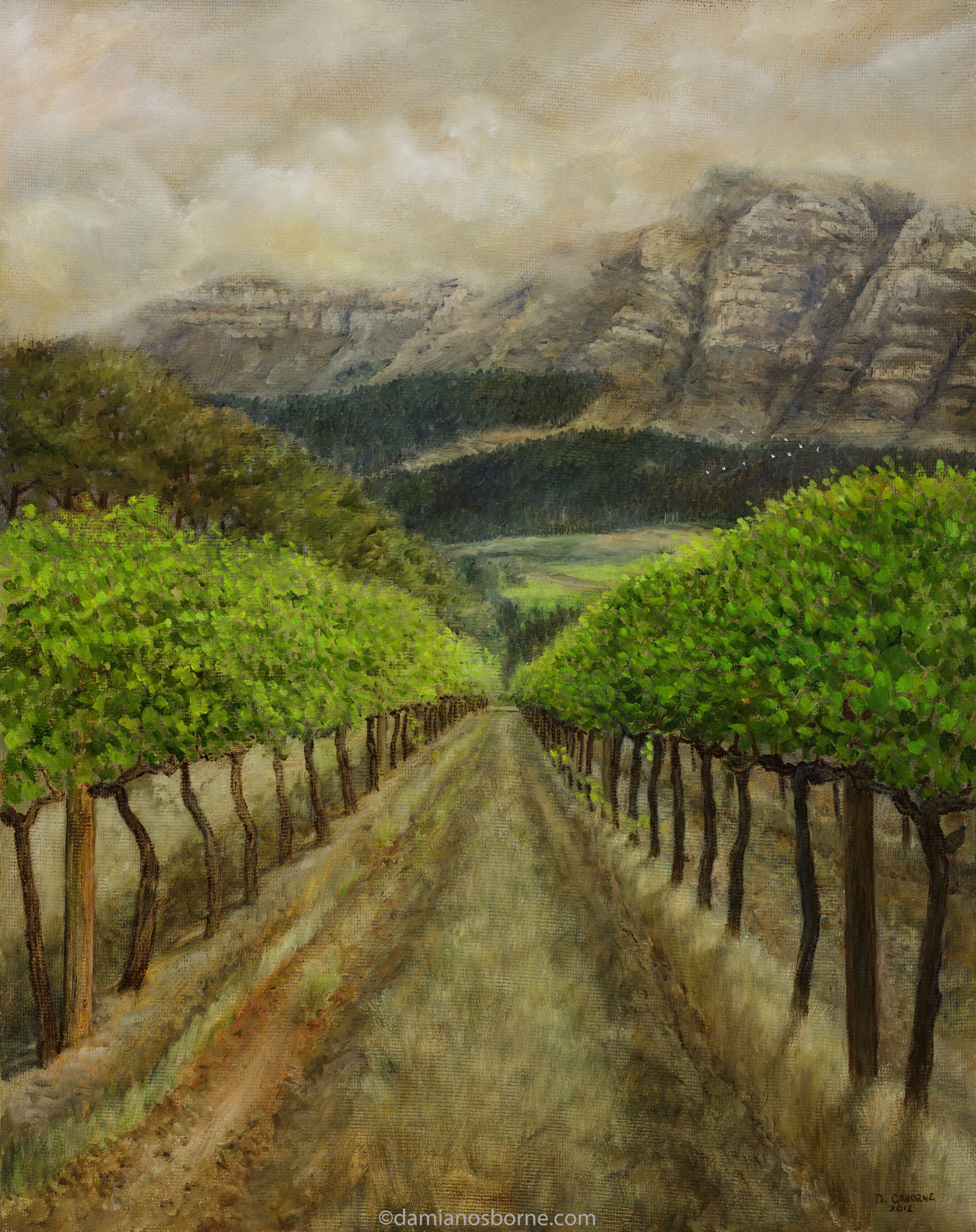
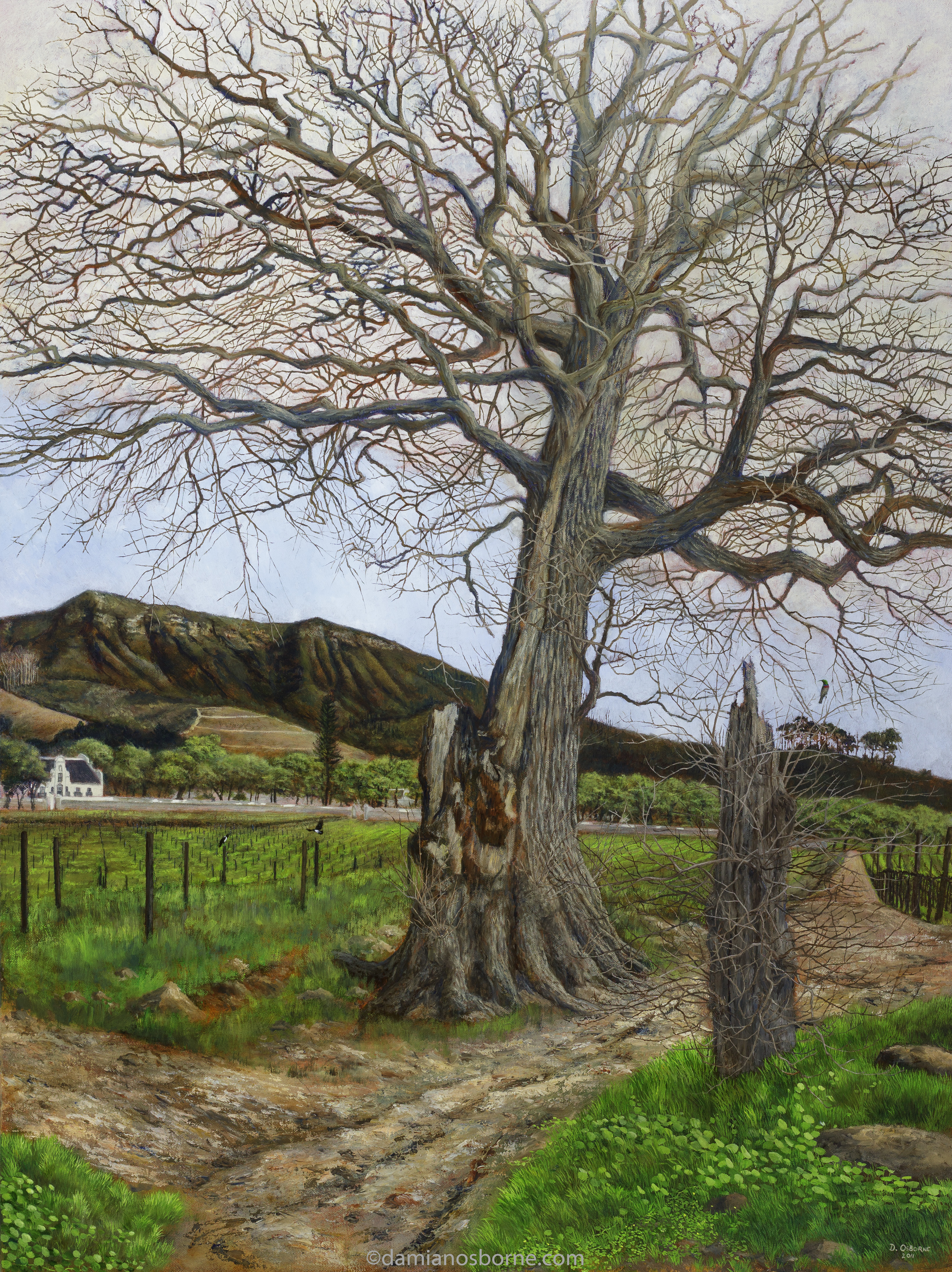
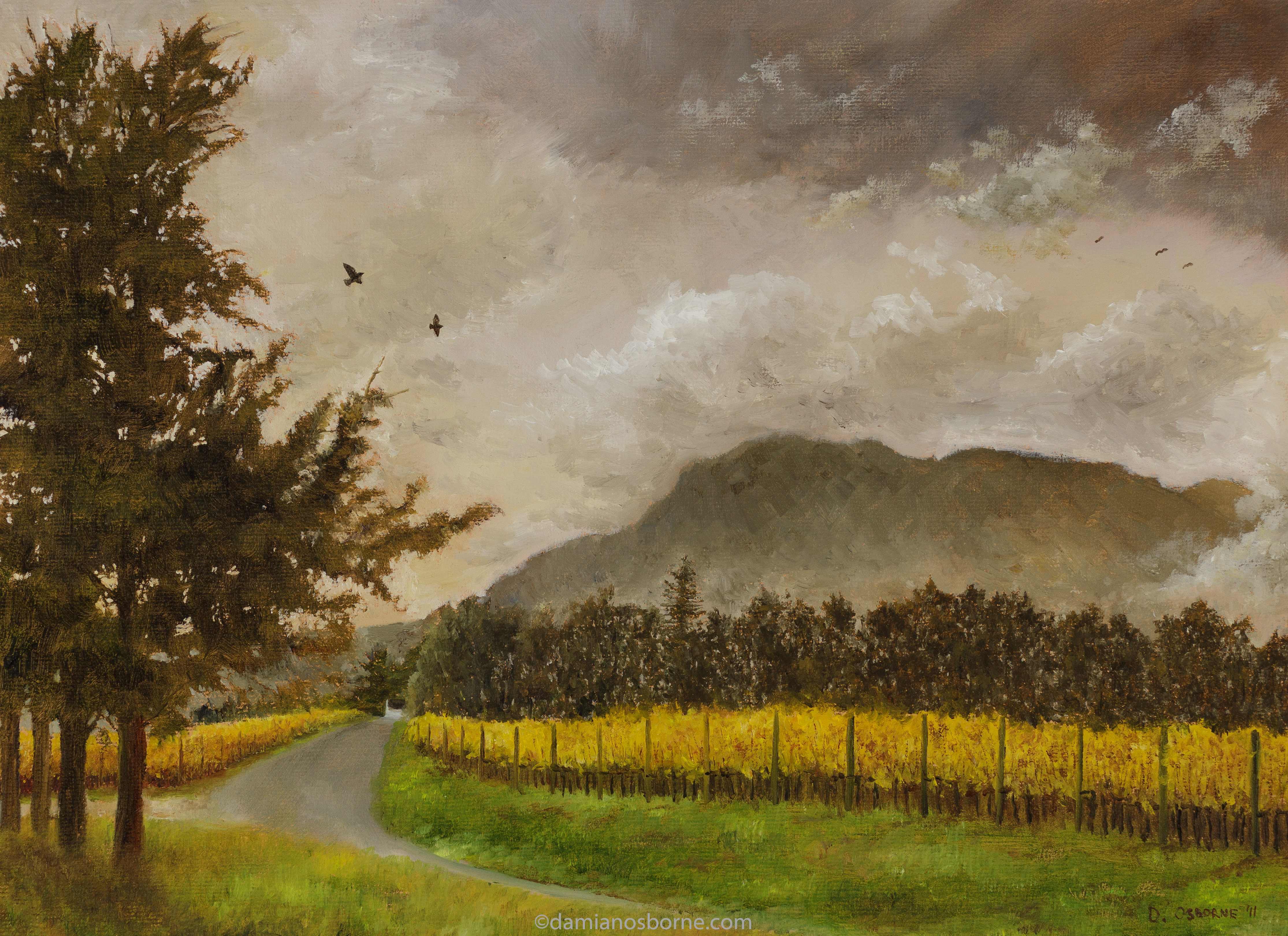
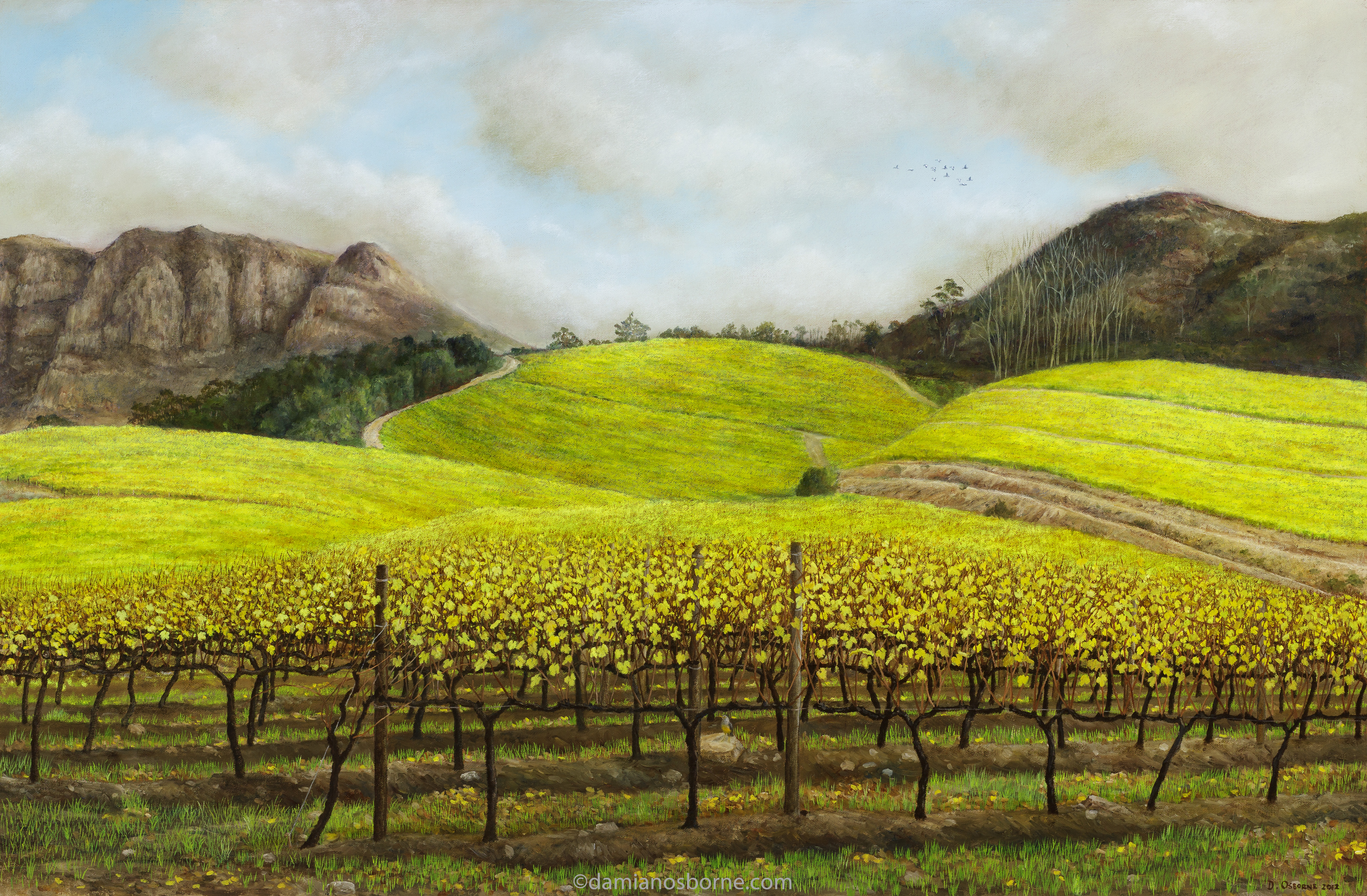
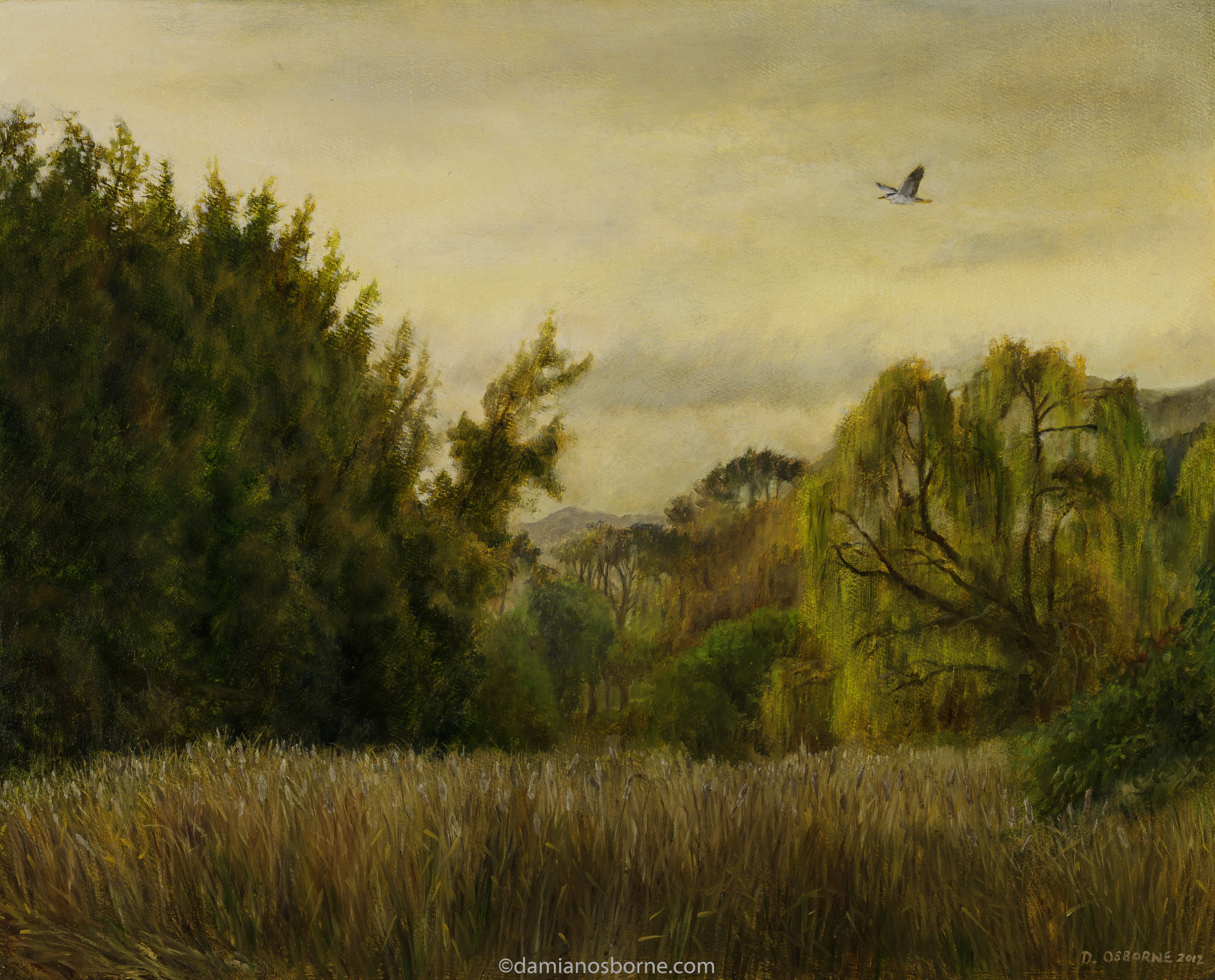
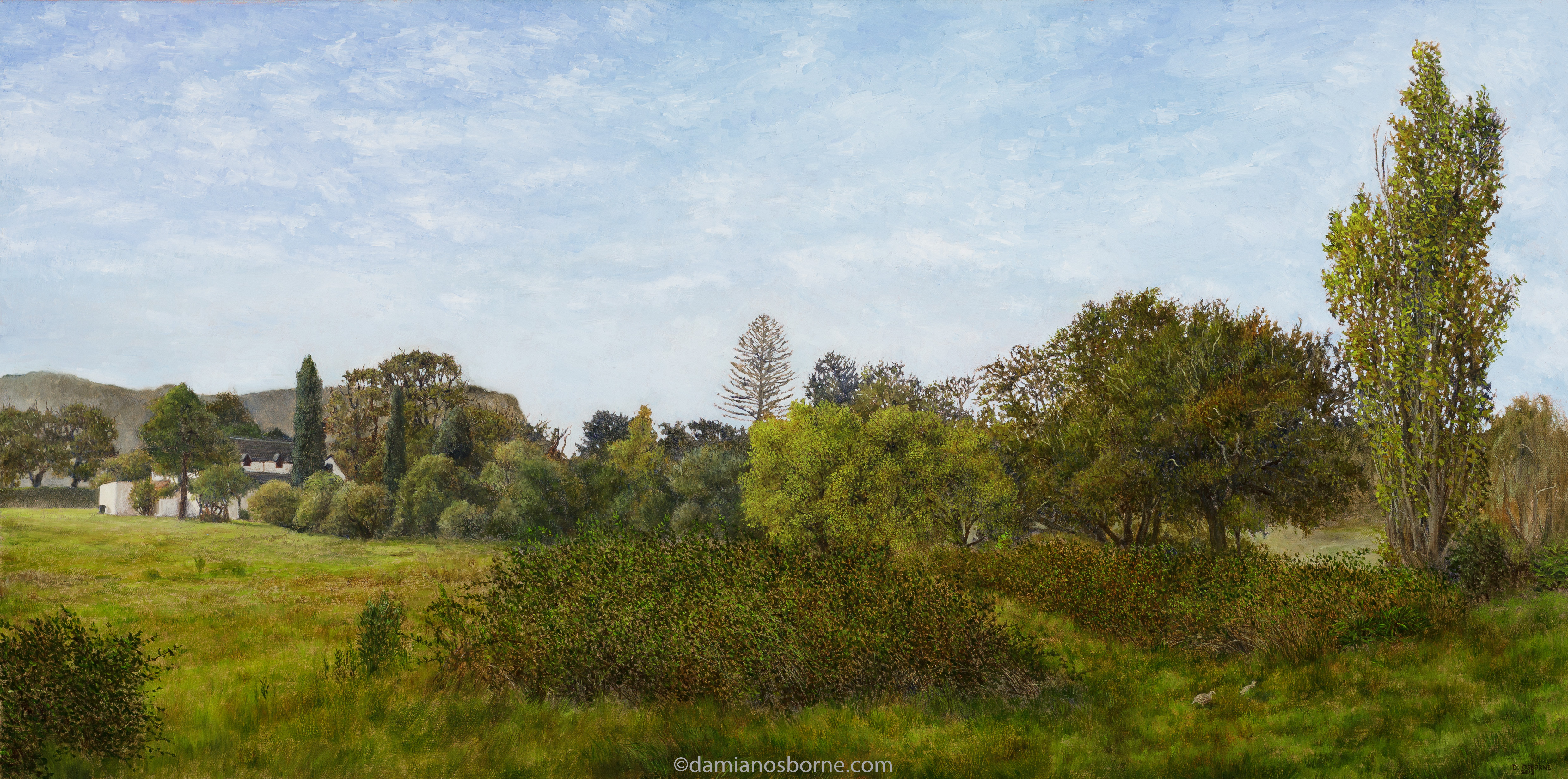
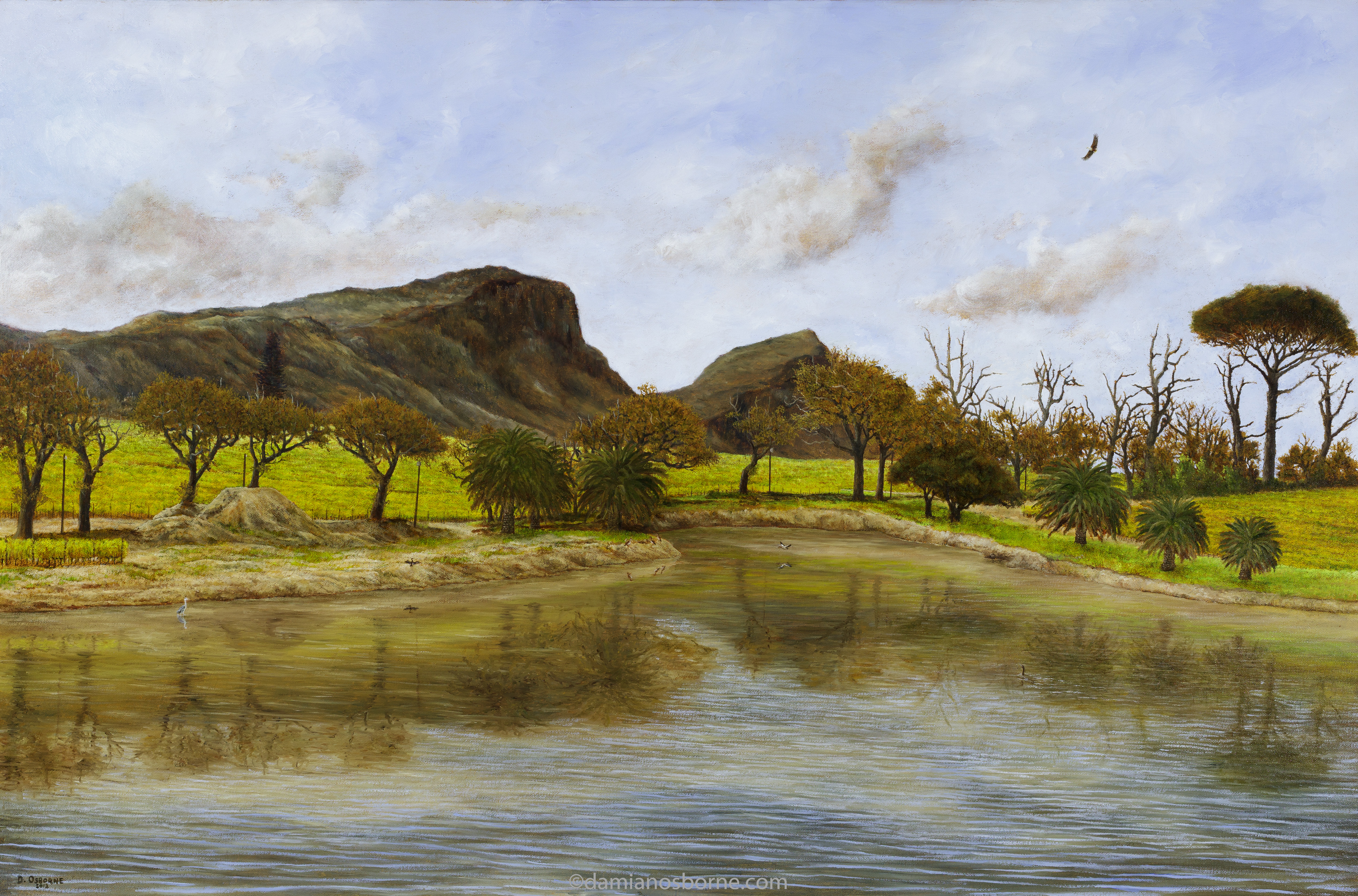
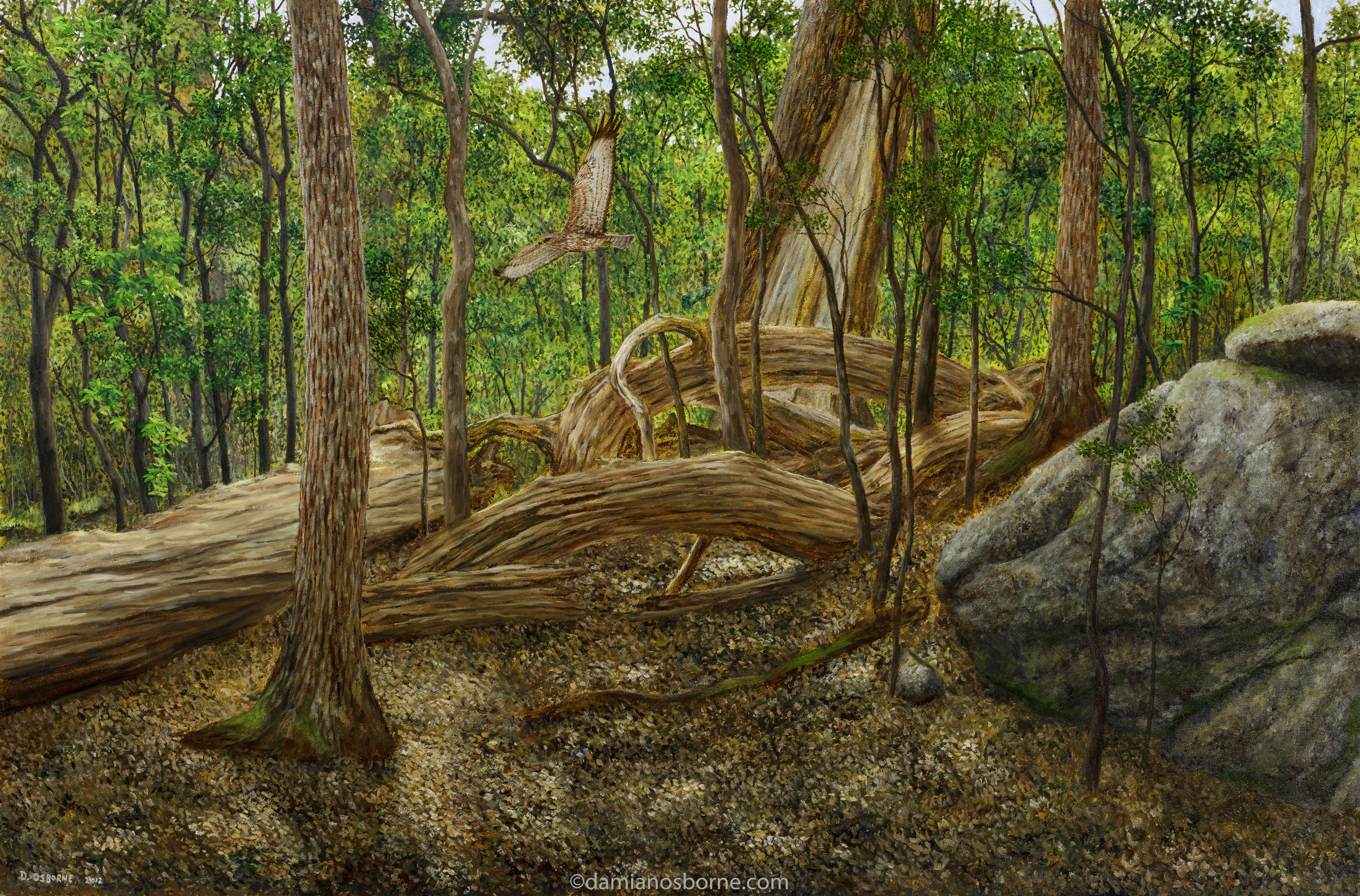
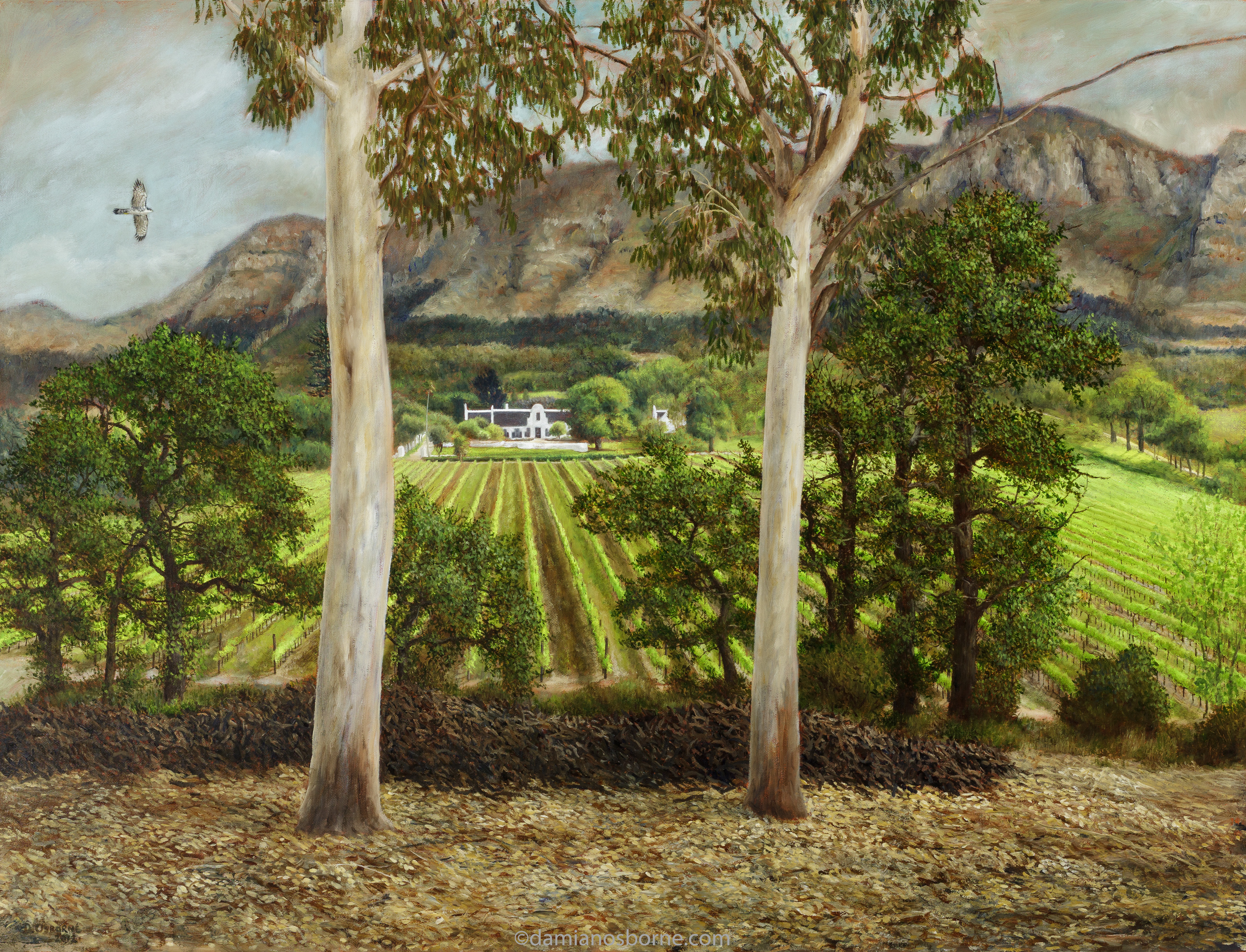
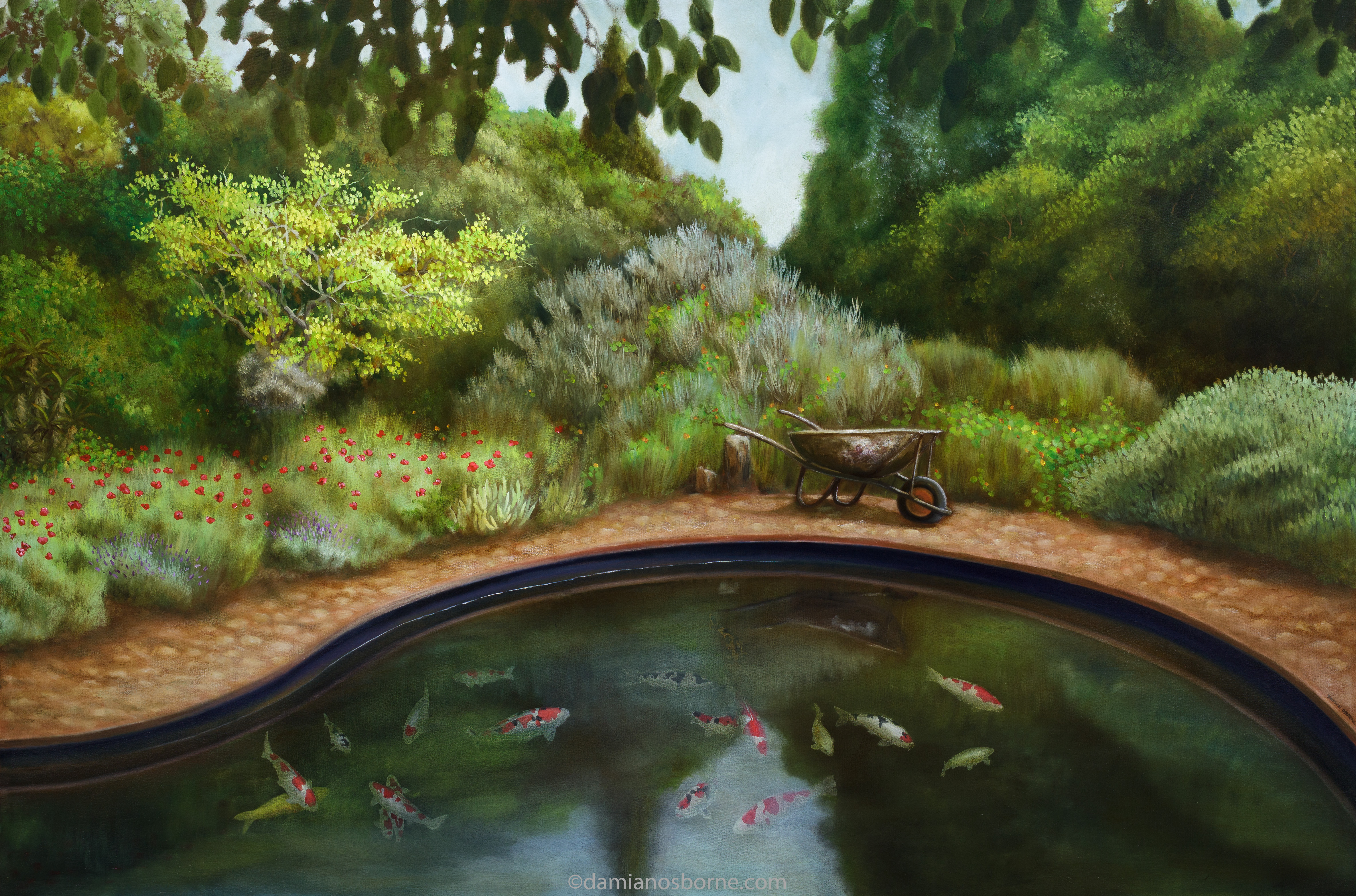
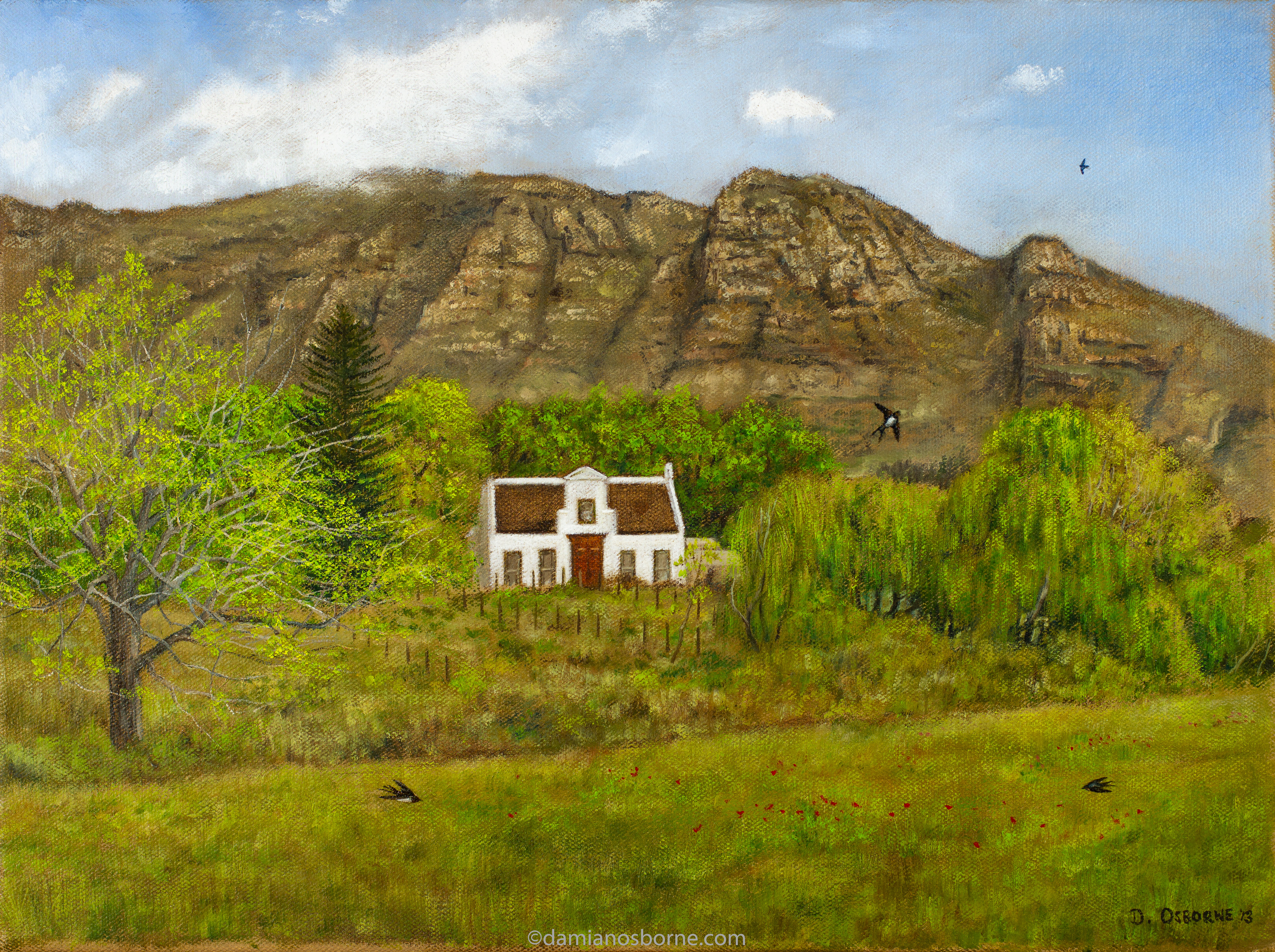
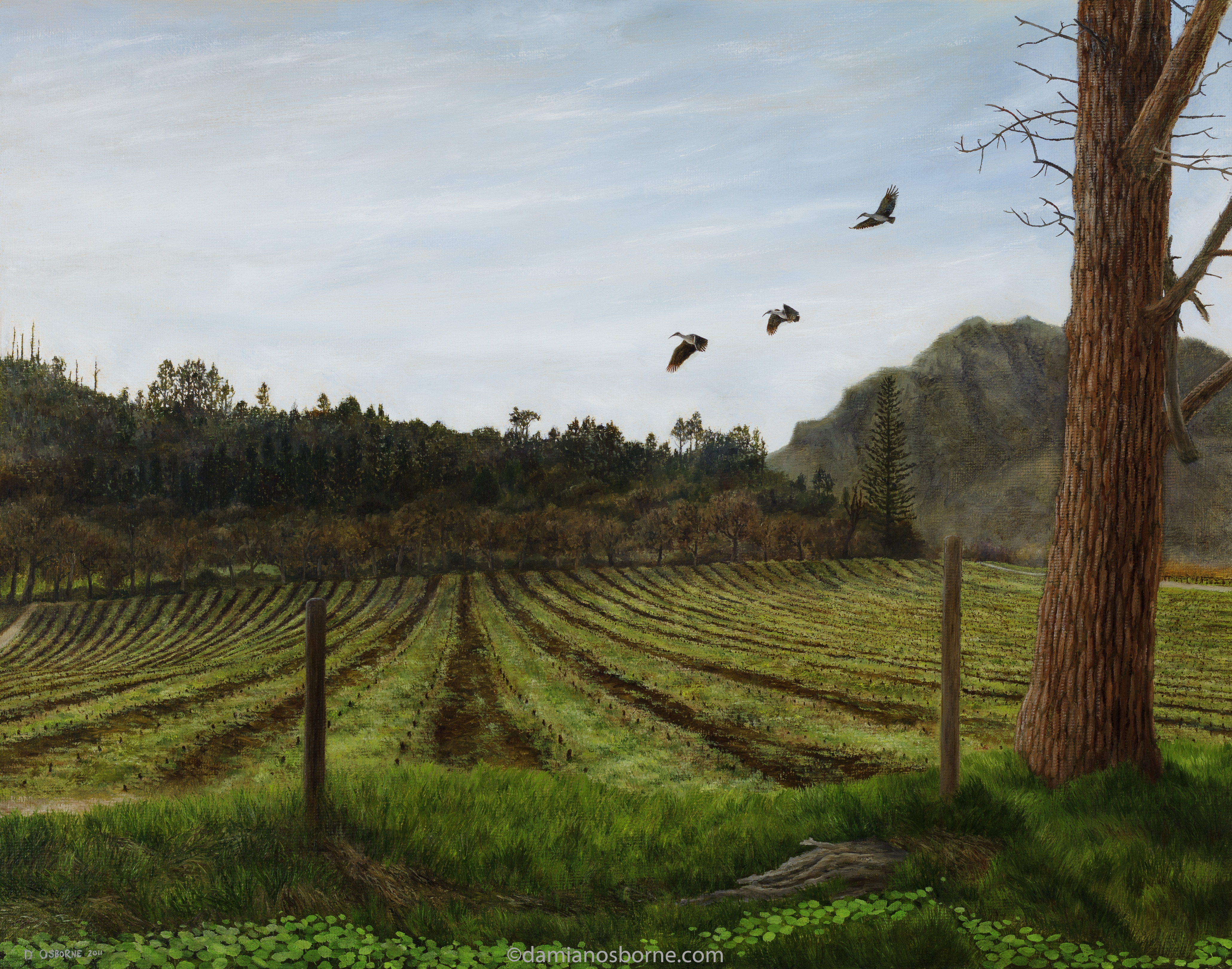
The Constantia Valley Landscape Paintings are a rare body of South African plein air works, painted entirely from life in the tradition of the Barbizon School painters, from 2008 to 2018. They document a period of observation and engagement with the scenery of the Constantia Valley, one of South Africa’s oldest cultivated landscapes and one of the most prestigious wine-growing regions of the New World.
From the perspective of an artist growing up and working for many years on most of the wine farms of the valley, these paintings convey a first-hand and intimate view of the land and nature of the area.
The Historic Constantia Valley — A Place of Inspiration, Transition and Beauty
Founded by Simon van der Stel in 1685, Constantia has seen numerous upheavals and changes through nearly three and a half centuries. From the cyclical rhythms of planting and growing vineyards and harvesting grapes for their world-famous wines, to the steady encroachment of urbanisation on the fringes of the vines, this is a land constantly in flux.
The seasons offer diverse contrasts for the plein air painter and the vineyard worker alike. There are the fresh green buds of the vines and surrounding oaks in spring when the first vineyard growth is pruned and the days are filled with gentle birdsong and expanding morning light; the summer days that bring the scent of fermenting grapes and dry cover-crop grass; the seawind, and the sounds of cicadas and the harvest-workers; and the glory of the dying, golden evening light; the autumn days that are windless and that bring the deep crimson and yellow hues to the rolling hills of vine rows; and the cooling shadows and thrush-song of the evenings; and the winters that bring the storms and rain, the wet clay and frost of the earth, the melancholic short days, long shadows from the mountain, cold and biting wind in the late afternoons, and the skeletons of the vines rooted like rows of sentries in a graveyard.
Growing up in the Valley and having intimate knowledge of the nature and the hidden paths of the area, and deep reverence for its history and landscape, I felt that it was important to record these mutable scenes for myself and for posterity.
I know the very scents of the soils — which I can even detect in the wines. This valley is filled with memory, and inspires a personal as well as universal sacred connection between man and nature. It is all the more unusual for being juxtaposed with invading urbanisation. And thus, I felt alarmed at how quickly a place of heritage and natural beauty can be threatened by the advancing building sites and destruction due to the Cape’s relentless population growth.
Already, many of the views captured within these paintings no longer exist; 300-year-old trees have been felled, vineyards uprooted and buildings erected, and historic scenes have been permanently altered by the passage of time. Like the flicker of passing light in an Impressionist painting, these artworks represent a snapshot of history and time.
Being an Artist in Constantia
Constantia was, for me, more than a home: it was a landscape that shaped my capacities as an artist.
I spent long days wandering its vineyards, greenbelts and forest paths, painting many plein air landscapes and studies, composing music and poetry, and filling pages with sketches and drawings.
It was a time of intense inspiration for me. I felt an ancestral connection to the Cape and to the vineyards (my forefathers were wine-farming Huguenots from the 1680s).
Working from a cottage studio for fourteen years, I supplemented my life as a painter with roles as a wine steward, sommelier, and cellar guide among most of the valley’s historic wine estates.
The Plein Air Painting Method
Working solely from life, without photographic references, meant I often trekked with my easel or sketchpad to the same location many times in order to complete my artwork.
I had to consider the time of day, the weather and the viewpoint. As shadows and light quickly move and change, the artist has to remain adaptable, paint quickly and is often only able to work for short periods at a time; then return to the same location under similar lighting and climatic conditions another day. One soon realises, while working on a landscape painting, that no day is ever the same.
On rainy days, I even painted from my car, with a board propped up against the steering wheel.
Painting outdoors this way, like the Impressionist landscape painters before me, benefited my art to this day, and breathed a vitality into the artwork that would be missing had I merely copied pictures.
Working from life requires an immediate and disciplined response to the landscape: decisions are made quickly, and the surface of the painting becomes a record of time itself. Every mark on the canvas represents an act of concentrated observation and an intense connection and accurate familiarity with the surroundings: I know the birds, the weeds, the light, the colours of the soils intimately.
For large canvases that would be too unwieldy to carry in the strong mountain winds, I did smaller plein air oil-on-board studies, or quick charcoal or pencil sketches with notes about changing hues, light or interesting observations scrawled in code for use later in the studio.
Thus, I worked just as much from memory as I did from life.
Line direction and structural balance are everything in these paintings. They dictate my artistic style and my compositional choices.
Artistic Influences
These landscape paintings were heavily inspired by the early Neo-Classical painters of the 17th and 18th centuries, the Dutch landscape painters of the 1700s, the Barbizon School in the 1830s, the Impressionists that came after, and by the South African Cape Impressionism school that emerged around the turn of the 20th century in the Western Cape of South Africa.
Astute art historians may find an unusual blend of the influences of the Dutch naturalist painters, Jacob van Ruisdael, Rembrandt, Jan Vermeer and Johan Jongkind; English painters like John Constable and Thomas Gainsborough; and French painters ranging from Corot, Daubigny and Courbet, to Alfred Sisley.
South African Cape Impressionist painters that were influential to my painting style were Tinus de Jongh, Gabriel de Jongh, and Jan Volschenk.
Birds in the Landscape
Even as a child artist, birds have always been very special to me and are tokens or symbols of spiritual and creative freedom and representatives of a place. They occur throughout the series as natural occupants of the valley. These are the very birds I encountered while out in the field, working on the painting. Their presence establishes scale and movement within the compositions and reinforces continuity across the cultivated land and the series as a whole.
Unconfined by property boundaries, they traverse vineyards, forests, and wetlands, forming a quiet counterpoint to human intervention. The Constantia Valley has more than 80 species.
A Visual Archive
As a whole, the Constantia Valley Landscape Series forms a coherent archive of a place at a particular moment in its history. The works document a landscape that is both enduring and changing, and try to convey the harmony and tension of nature, cultivated land and human presence.
As development continues, these paintings become increasingly valuable as records of a landscape that is shifting under contemporary pressures.
Click to view.
Acquisition & Collector Information
Works from the Constantia Valley Landscape Series are available by private inquiry. Each painting is accompanied by full documentation and a certificate of authenticity.
To request the Constantia Valley Collector Pack (PDF catalogue with selected works and contextual notes), please contact the artist directly.